Scene
Nearly half of Gen Z adults avoid dancing in public because they fear being filmed and going viral online, according to a new study by US mental healthcare provider LifeStance Health. The findings point to a growing tension between social media culture and the freedom to let loose on the dancefloor.
The study found that 49% of Gen Z respondents hold back from dancing because they worry about becoming the subject of someone else’s social media content. Across all age groups, the figure stands at 30%, while 47% of adults say the possibility of being recorded and shared online makes it harder to relax in public. The research surveyed 1,000 US adults in July 2026.

The anxiety goes beyond dancing. According to the findings, 43% of Gen Z respondents hold back their emotions in public, while 38% avoid acting silly or telling jokes for fear of being judged online. For some, the pressure is even affecting their willingness to go out, with 72% saying the possibility of going viral influences their desire to leave home or attend events.
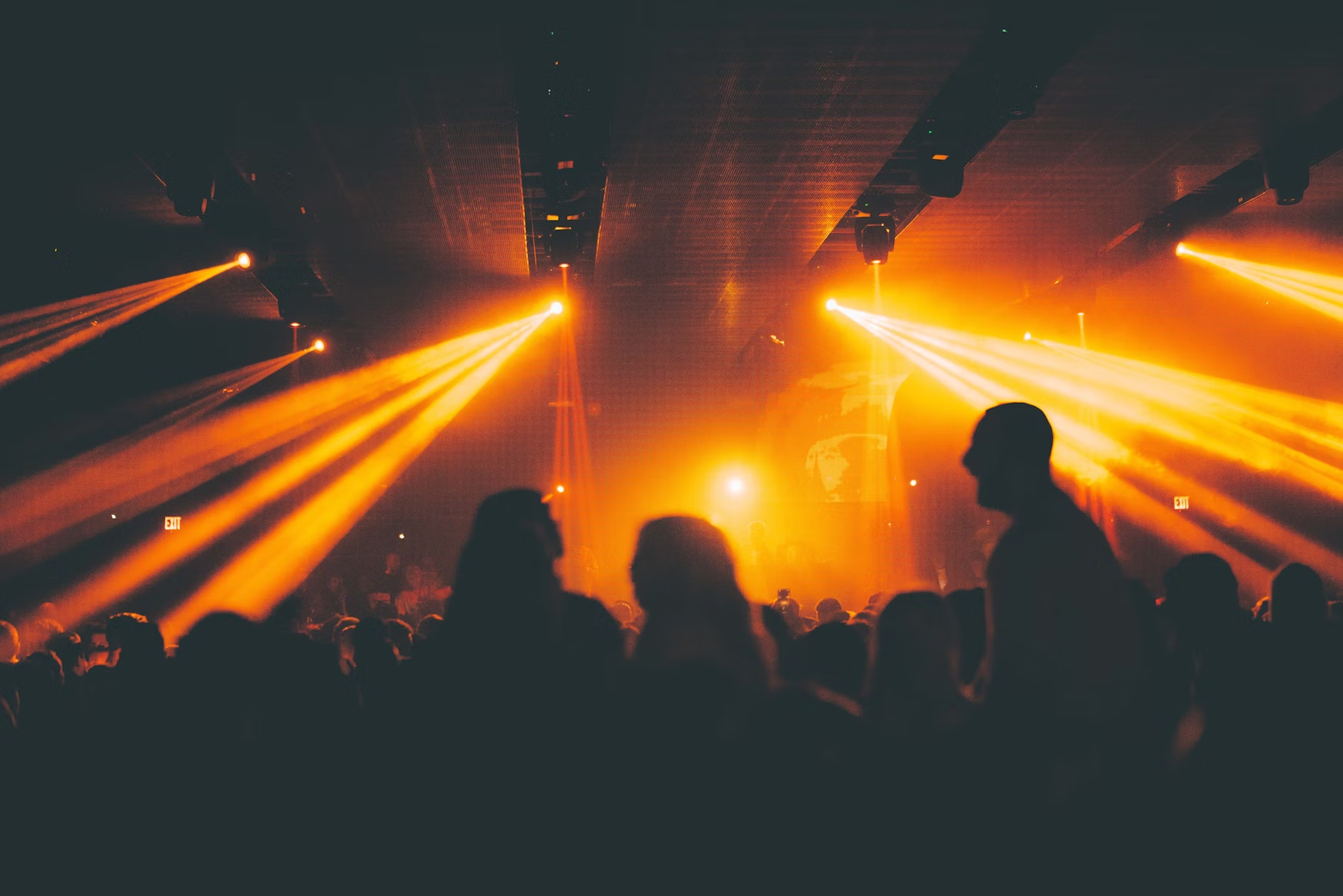
For club culture, where spontaneity and self-expression are central to the experience, this presents a particular challenge. The dancefloor has traditionally been a space to disconnect from everyday expectations, lose yourself in the music and move without worrying about how you look. Today, however, the possibility that a stranger might record an awkward dance move and turn it into viral content can make even the most ordinary moment feel like a performance.
The constant presence of smartphone cameras, combined with newer recording technology such as smart glasses, has made it increasingly difficult to know when someone is filming. Unlike the occasional club photograph of the past, a video posted online can quickly reach thousands of people and remain accessible long after the night is over.
In response, some clubs and events have introduced phone-free policies to protect guests’ privacy and encourage people to stay present. The growing interest in these spaces suggests that audiences may be looking for nightlife experiences where they can participate without feeling watched.
Ultimately, the findings raise a question that extends beyond Gen Z: if every spontaneous moment has the potential to become public content, how free can people really feel in public spaces? For dancefloors to remain places of expression rather than performance, respecting other people’s privacy may be just as important as the music itself.