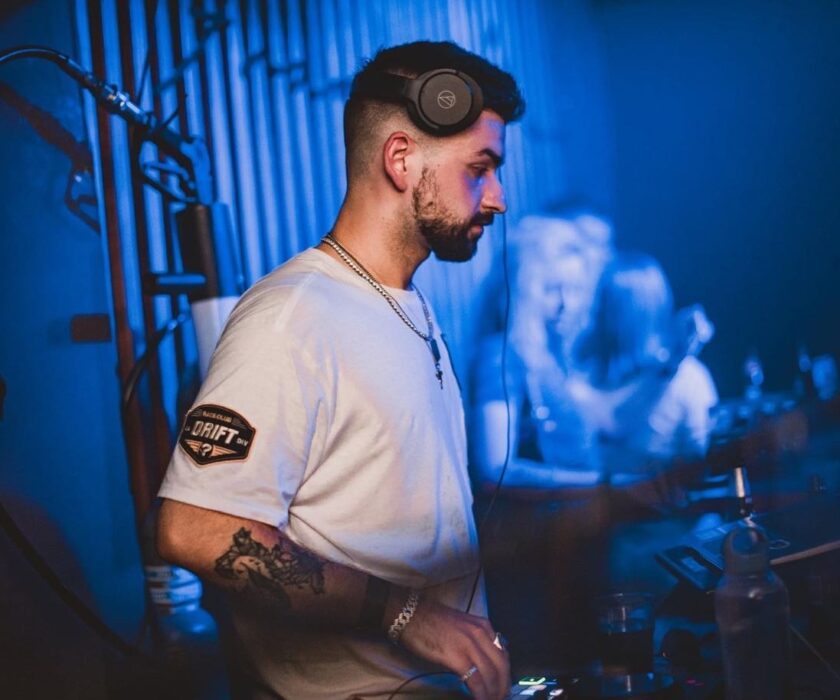
Scene
A new report from the UK charity Youth Music has revealed that disabled young people continue to be excluded from the arts, despite years of talk about inclusion. The study, titled Excluded by Design, shows that access remains limited, participation often ends quickly, and creative opportunities are far from equal.
Many disabled young people only take part in the arts from home, missing out on the community and collaboration that shared spaces can bring. Those who do get involved often encounter judgment, tokenism, or low expectations. Behind the scenes, representation is also lacking: just 9% of staff in regularly funded arts organisations identify as disabled, compared with 16% of the wider UK workforce.
Youth Music CEO Matt Griffiths said the findings confirm what many already know: “There are brilliant organisations offering creative opportunities, but the research tells us they’re the exception, not the norm.”
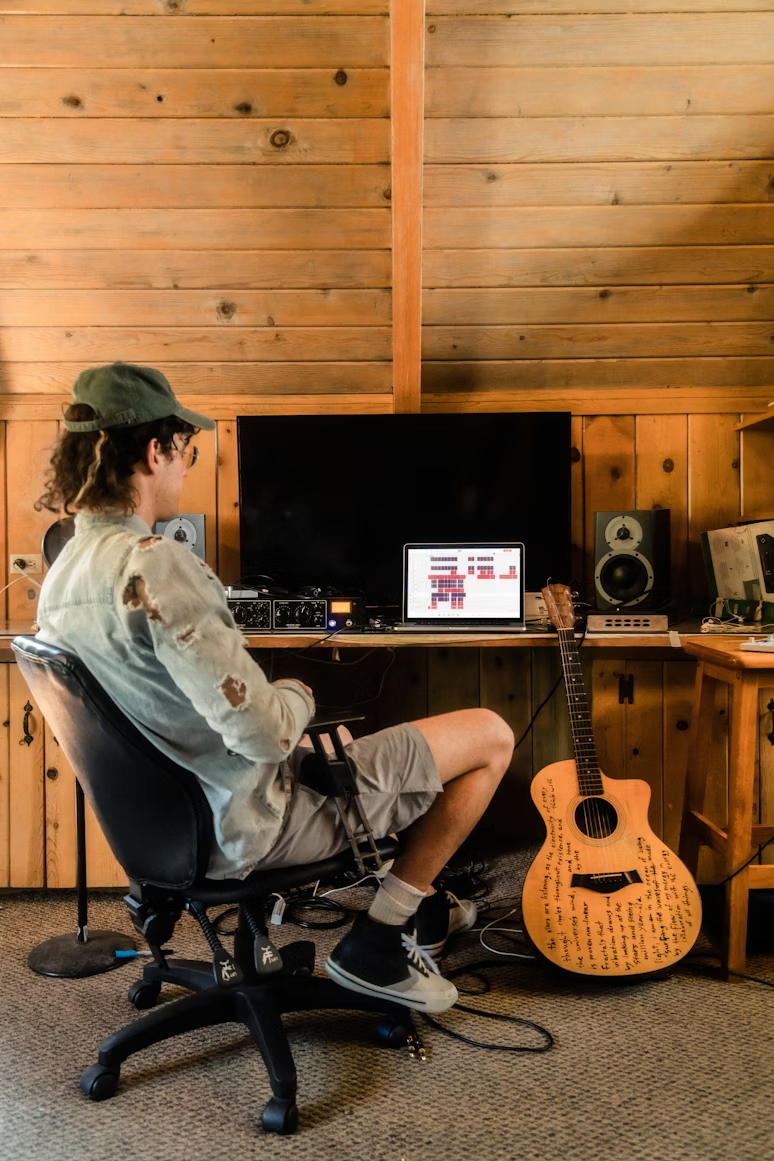
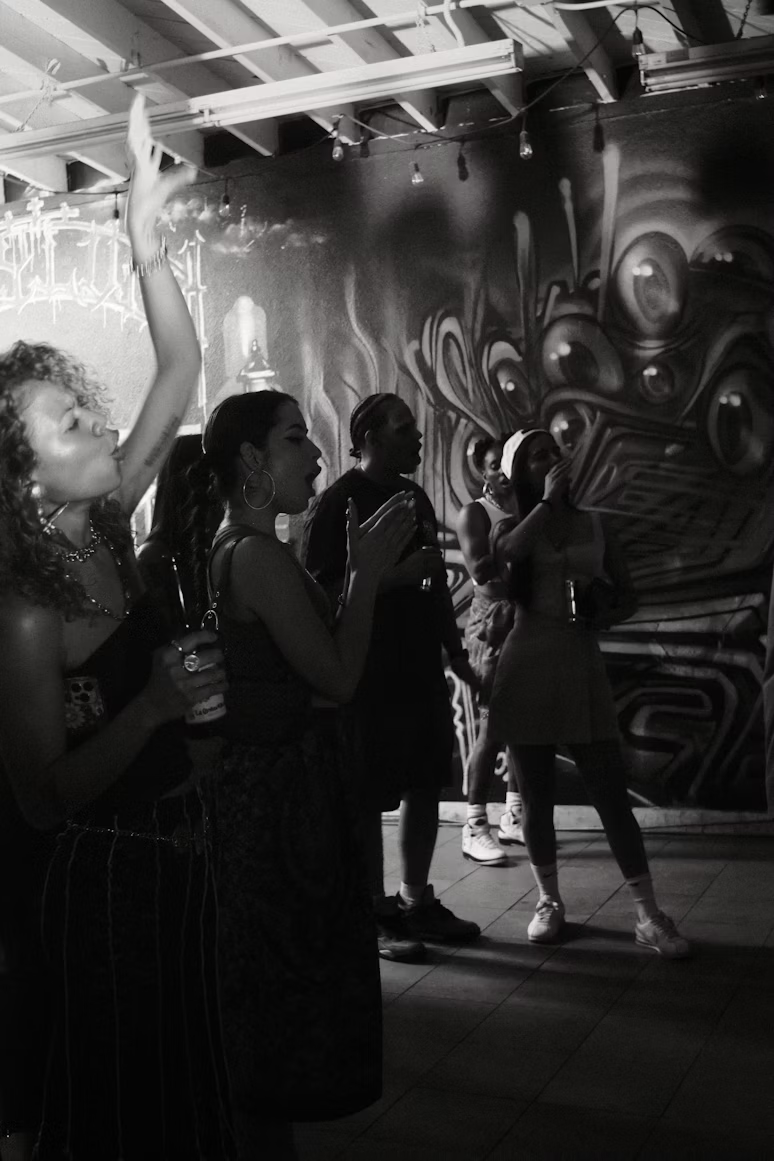
To tackle the problem, Youth Music has launched Shift the Scene, a £2.25 million fund dedicated to long-term projects for disabled young people in the UK. Instead of short workshops or one-off schemes, it will back programmes running for three to four years across different art forms. Applications open on 31 October 2025 and close on 28 November 2025, with results expected in March 2026.
For the wider cultural sector, the message is clear. If scenes want to call themselves inclusive and progressive, accessibility has to be part of the plan – whether that’s at festivals, in venues, on lineups, or backstage. Electronic music, especially, thrives on difference and underground voices. But it cannot truly live up to that spirit while entire groups are kept on the margins.
Accessibility needs to stand alongside mental health, fair pay, and safe environments as part of the bigger conversation on building a sustainable culture. Or as BAFTA-winning presenter and disability advocate George Webster put it: “Music is a way of having voices heard. Young people with a disability need to be heard, too… to change the world’s old-fashioned views and perspectives on disability.”

The full report is available here!