Scene
As a 21 year old girl, being somewhat born into the digital era, I have found myself wanting to quit Instagram and other social media apps multiple times. This digital exhaustion is not an experience individual to only me, my friends and their friends and our peers also seem to want to go offline. The return of analog cameras, vinyls, iPods and many young people not even having a social media account is all a symbol of a so-called digital detox that seems to be a trend that is long overdue.
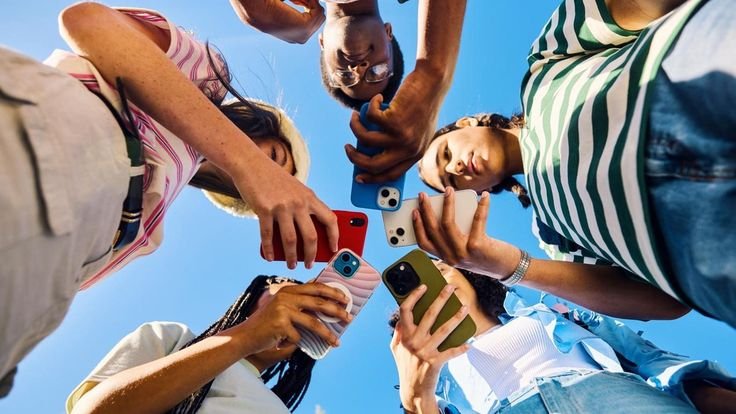
The generation that grew up inside the feed is trying to look beyond the screen now. The toll on young people is measurable. U.S. Surgeon General has discovered a link between three or more hours of social media use daily and a rise of depression and anxiety for teens. The decline of attention spans, went from an average of 2.5 minutes in 2004, to 47 seconds today, according to a research from Gloria Mark at UC Irvine. This has resulted in the statistic that 84% of Gen Z thinks a digital detox sounds appealing and that 44% of Gen Z teens have already cut back on their social media use and their time spent online. The era of being reachable at all times has made people want to be off the grid, 39% of Gen Z would consider switching to a flip phone and 63% of Gen Z have already started intentionally reducing their screen time.
In Croatia, 60% of Gen Z feels overwhelmed due to the constant connection with the digital world, according to a study done at University of Zagreb. According to A1 Blog, 40% of subjects check their phones every 5 to 10 minutes, however, 94% of those subjects want to cut down on their phone use and feel it would benefit their academic success.
It is the return of the hobby, whether it be reading, knitting, pottery, cooking journaling, crafting, or simply going outdoors, as long as it is offline. According to Pew Research Center, a majority of Gen Z adults say they are drawn to more traditional and pre-digital hobbies. Within the offline trend, a bunch of smaller patterns or personas have been created. This involves wellness without a screen, a trend which treats digital detox as self-care and is set on creating boundaries around screen time and a health-is-wealth lifestyle, slow living goes mainstream is focused on creating slower routines created with intent and creativity, the analog renaissance romanticizes rural life and everything handmade and finds its identity in an offline format posted, ironically, online. There are also trends such as Make Instagram Casual Again, focused on posting whatever comes to mind instead of a carefully curated feed which takes away time from your life outside the screen and NonnaMaxxing, where audiences are swapping passive screen time for hobbies that require using their hands.
This showcases a real fatigue from the online world, and although it manifests itself online, a shift is present, the want for “more” is present in every sphere of Gen Z’s online or offline existence. What does it mean? It means that young people have the need to make real human connection, we have the need to be present, to go out and to create communities. A need to spend time intentionally instead of wasting it by simply scrolling. It certainly does not mean the end of social media but rather a new chapter of it. Social platforms are becoming launch points for finding a hobby, planning a trip, learning a new recipe, giving it much more value when it simply adds to our everyday life instead of replacing it completely.