Scene
This summer, something unusual happened in the music industry: a label signed someone who doesn’t play instruments, doesn’t produce in a traditional studio, and makes music through AI.
Hallwood Media, led by former Geffen exec Neil Jacobson, signed imOliver – a self-described “music designer” who creates songs using platforms like Suno. He writes lyrics, feeds them into AI, and shapes the output into fully-formed tracks.
It’s the first record deal of its kind. Not an AI posing as an artist, but a human using AI as his main tool – and being upfront about it.
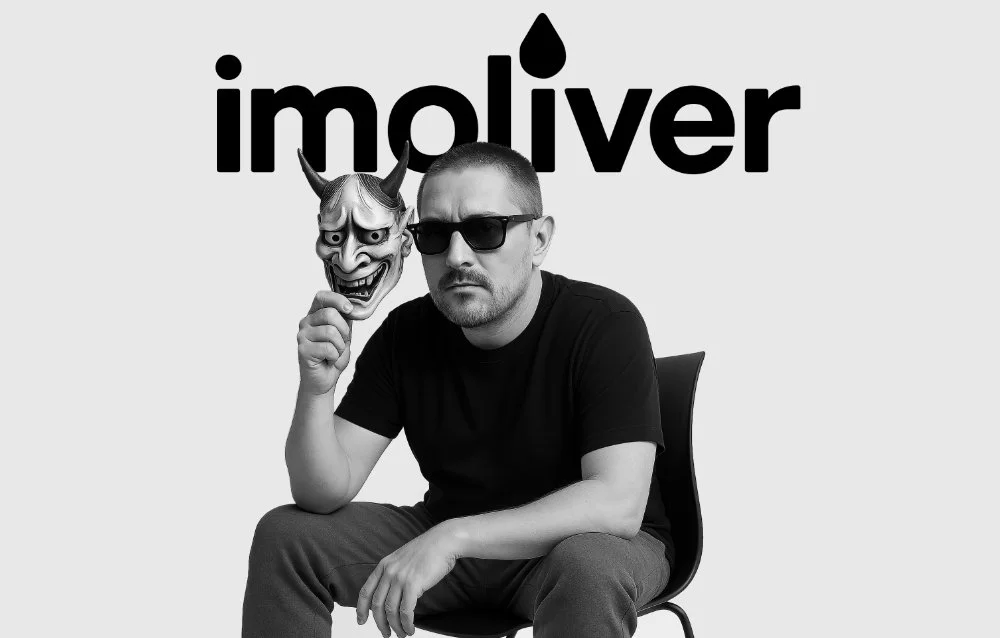
Jacobson says the move is less about innovation and more about taste: “imOliver has a great ear and creative vision. The AI is just how he builds it.” His breakout track, Stone, which drops officially on August 8, already has over 3 million streams on Suno – making him the platform’s most-streamed creator and catching the attention of Hallwood Media in the process. A full album is expected in October.
While the idea of signing an AI-driven artist might seem like a novelty, it reflects a larger trend already unfolding in the industry. More and more musicians are using AI tools to generate melodies, suggest chord progressions, or even produce full tracks. Some see it as a way to speed up workflow or unlock new creative ideas; others worry it could blur the line between innovation and imitation.
imOliver isn’t replacing traditional musicians, but his approach does raise important questions: What defines authorship in a world where machines assist with creation? Does artistic value lie in technical skill, creative direction, or simply knowing how to use the latest tools?
For now, this is just one new lane in a rapidly changing scene. And while it might not be everyone’s definition of music-making, it’s a sign of where things are headed – ready or not.
.