Scene
More than 160 artists, cultural workers, organizations, and collectives gathered in the initiative “We need workspaces” warn about the chronic lack of adequate spaces for artistic work in Zagreb. They believe that this problem threatens the development of contemporary art and the independent cultural scene in the long term, and they urge the City of Zagreb to address the issue of working spaces systematically.
They point out the former City Slaughterhouse complex on Heinzelova Street as one of the key opportunities for developing cultural infrastructure, which is why they are holding an event today to present the initiative, hold a debate with artists and the representatives of the City’s administration.
Representatives of the initiative state that many artists today work in temporary, inadequate, or financially difficult conditions. The lack of accessible spaces, they point out, limits the possibilities for production, research, and professional development, and makes the work of the independent cultural sector more difficult. Representatives of the initiative state that many artists today work in temporary, inadequate, or financially difficult conditions. The lack of accessible spaces, they point out, limits the possibilities for production, research, and professional development, and makes the work of the independent cultural sector more difficult.
In addition to advocating for concrete spatial solutions, the initiative works to map the needs of the artistic community, connect stakeholders, and open a dialogue with city authorities. They place particular emphasis on collaborative governance models that would ensure the long-term availability of space for cultural production.
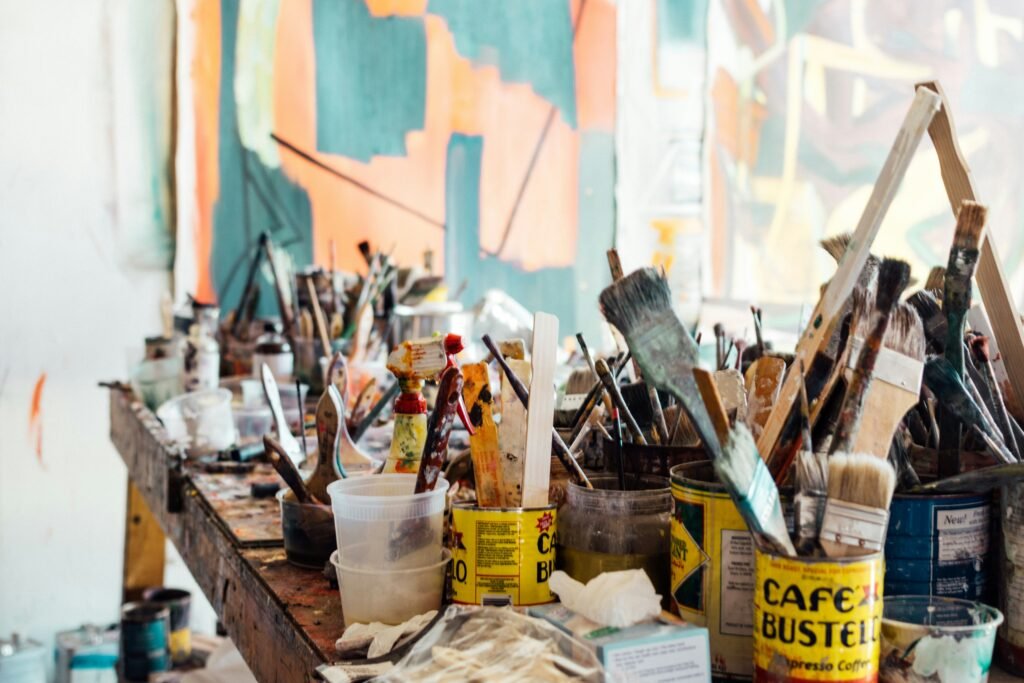
The initiative’s members believe that investing in artist-friendly workspaces would benefit not only the cultural sector but also the wider community, creating new opportunities for education, collaboration, and citizen participation in the city’s cultural life. As Zagreb contemplates the future of its abandoned industrial complexes, the issue of artistic space is becoming an important part of the debate on the city’s development and cultural policy.