SoundCloud has begun testing a new feature that allows artists to sell digital music directly from their profiles. Instead of sending listeners elsewhere to buy a release through platforms such as Bandcamp or Beatport, fans will be able to purchase and download music without leaving SoundCloud. Now, the company is taking another step toward becoming something more comprehensive: a place where artists can not only be discovered and streamed, but also sell their music directly to fans.
The beta is initially being offered to 200 US-based Artist Pro creators, with SoundCloud planning a broader rollout to eligible artists later this autumn. Artists participating in the trial can set their own prices, while fans can purchase music in the formats supplied by the artist, including MP3 and WAV. Most significantly, SoundCloud says it will not take a commission from these sales. Artists will therefore retain 100% of the sale, apart from standard payment processing fees and applicable taxes. That detail is particularly important in an industry where the relationship between platforms and artists has increasingly become a question of economics as much as exposure.
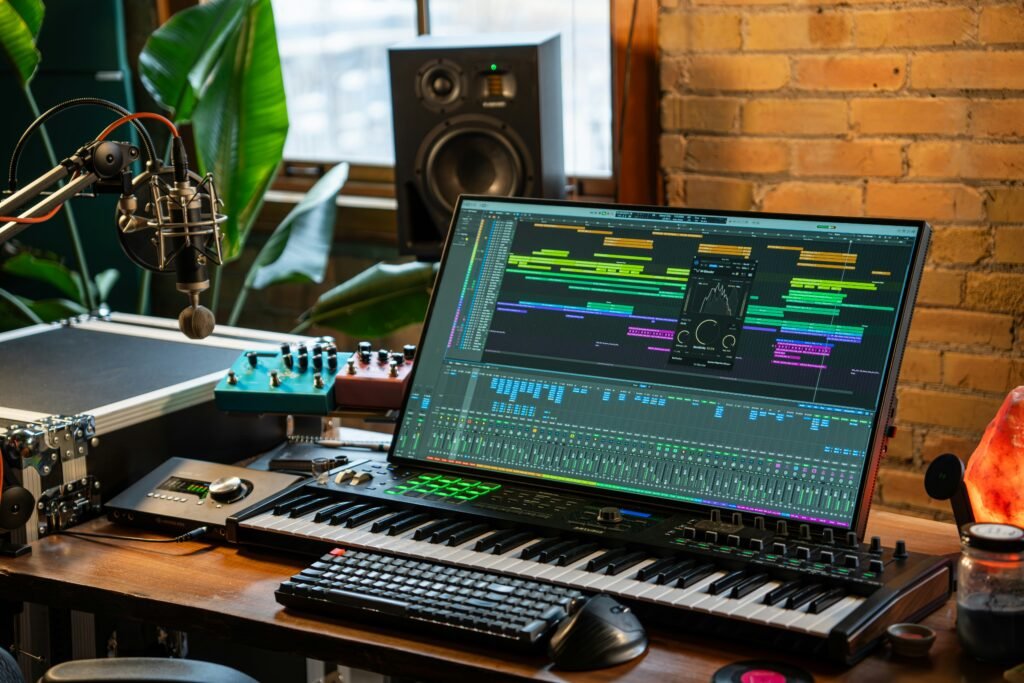
From discovery platform to artist economy
SoundCloud’s importance has been less about selling music than about discovery. Its open-upload model helped establish a direct relationship between artists and listeners at a time when traditional gatekeepers still controlled much of the electronic and independent music ecosystem.
However, the platform’s new strategy suggests that discovery alone is no longer enough. According to SoundCloud, more than 250,000 artists have already linked millions of tracks on their profiles to external marketplaces, while more than 500,000 users are sent away from SoundCloud each year to purchase music elsewhere.
The new system is essentially an attempt to close that gap. A listener discovering a track on SoundCloud could eventually move from hearing it, to becoming a fan, to purchasing the release — all within the same ecosystem. For artists, that creates a much shorter path between discovery and revenue.
It also changes the role of SoundCloud itself. Rather than functioning primarily as a streaming and promotional service, the platform is moving toward becoming an artist-to-fan marketplace. Since November 2025, SoundCloud says artists using its monetization and distribution services receive 100% of their earnings from those activities, although payout processing fees can still apply.
The company has also expanded its distribution infrastructure, allowing artists to send releases to more than 60 platforms while managing distribution, metadata, collaborations and royalties through SoundCloud for Artists. Direct sales are therefore not an isolated experiment. They form part of a much broader attempt to build an all-in-one infrastructure for independent artists.
SoundCloud vs. Bandcamp
The most obvious comparison is Bandcamp. For years, it has been one of the strongest direct-to-fan platforms for independent music, giving artists and labels a way to sell downloads and physical releases while maintaining a closer relationship with their audience.
SoundCloud is not necessarily trying to replace that model overnight. Instead, it is attacking one of its biggest weaknesses: the separation between discovery and purchase. A SoundCloud user already listening to an artist does not necessarily need to be redirected to another website, create another account or search for the release somewhere else; that seemingly small change could become significant at scale.
If the experiment succeeds, SoundCloud could create a model in which discovery, fandom and commerce happen in the same place. For artists, that means fewer intermediaries and potentially a more direct relationship with the people who actually listen to their music. For years, artists have had to rely on a collection of platforms for streaming, distribution, sales, merchandise and fan engagement.
The feature is still in its early stages, but the direction is clear: SoundCloud no longer wants to simply be where artists are discovered. It wants to become the place where that discovery turns into a direct commercial relationship between artist and fan.