
Scene
Beatport, the platform best known as the main hub for electronic music, is opening up to a wider sound. This September, the company announced the addition of six new open-format genres: Hip-Hop, R&B, Pop, Latin, Caribbean, and African.
For nearly two decades, Beatport has been the go-to space for DJs searching for house, techno, drum & bass, and countless electronic subgenres. While those roots remain the core of the platform, the new move shows a recognition of how DJs actually play today. Club culture has shifted. Sets are rarely built around just one genre anymore. Latin rhythms find their way into house nights, rap edits appear in techno sets, and Afrobeat grooves blend naturally into dancefloors around the world.
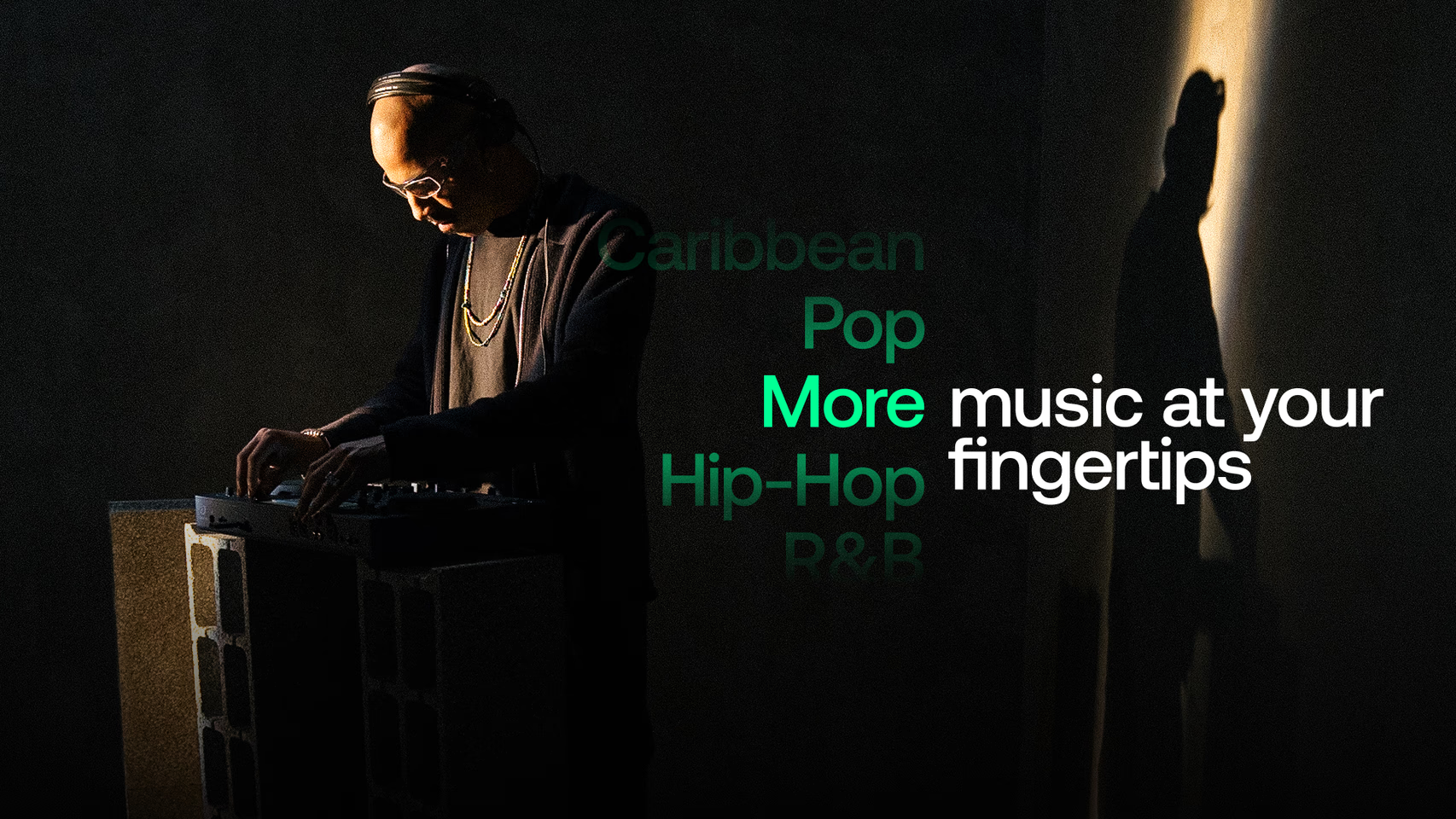
The six genres will soon have their own dedicated Top 100 charts, but they won’t appear in Beatport’s Global Top 100 or Hype charts, which will stay focused on electronic music. This separation keeps Beatport’s identity clear while opening doors for DJs who work across styles.
For subscribers to Beatport Streaming, the new catalog is already live on the mobile app, with integration into DJ hardware and software expected soon.
What matters here isn’t just the extra catalog. It is the space it creates – for DJs who like to mix freely, and for artists who rarely had visibility on platforms built around electronic music. Or as A-Trak put it, genres aren’t meant to restrict, they’re meant to expand what you can do.
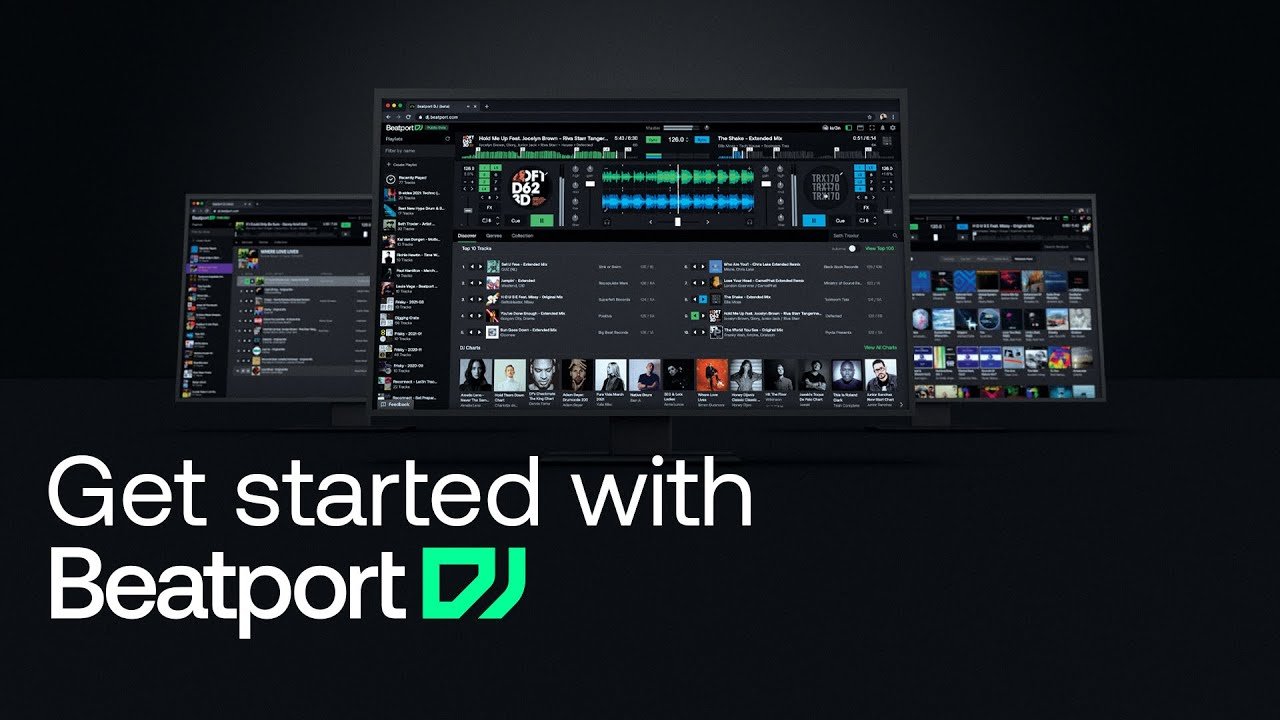
This change could affect everything from how DJs build their sets, and even how festivals shape their lineups. It also raises a bigger point: these genres have their own roots and identities. Beatport says it will support the update with careful curation, focusing on edits and remixes that DJs actually play.
In reality, club culture has never cared too much about labels. People on the floor respond to energy, not file names. This update feels like an adjustment Beatport needed to make for today’s dance floors.
For more information, check out the official announcement here!