InterviewsScene
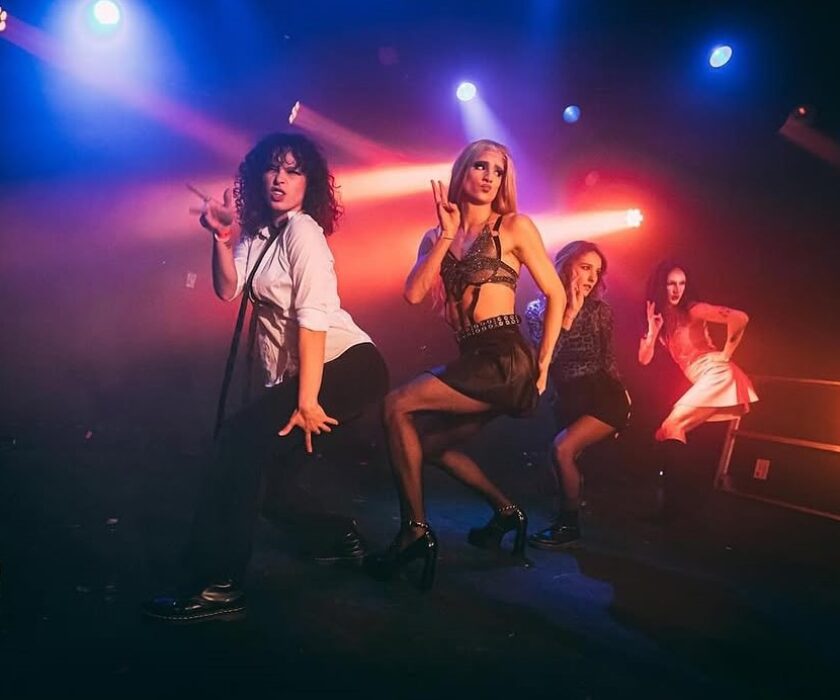
As Zagreb hits above 20 celsius, the locals and the growing tourist populations are moving outdoors. For the official opening of the terrace season at Peti Kupe on Saturday, May 9th, the hosts Antonio Zuza and Felver have invited two avantgarde DJs and producers, Matias Aguayo and Marsman to share their eccentric music selection with outdoors and in the club after midnight.
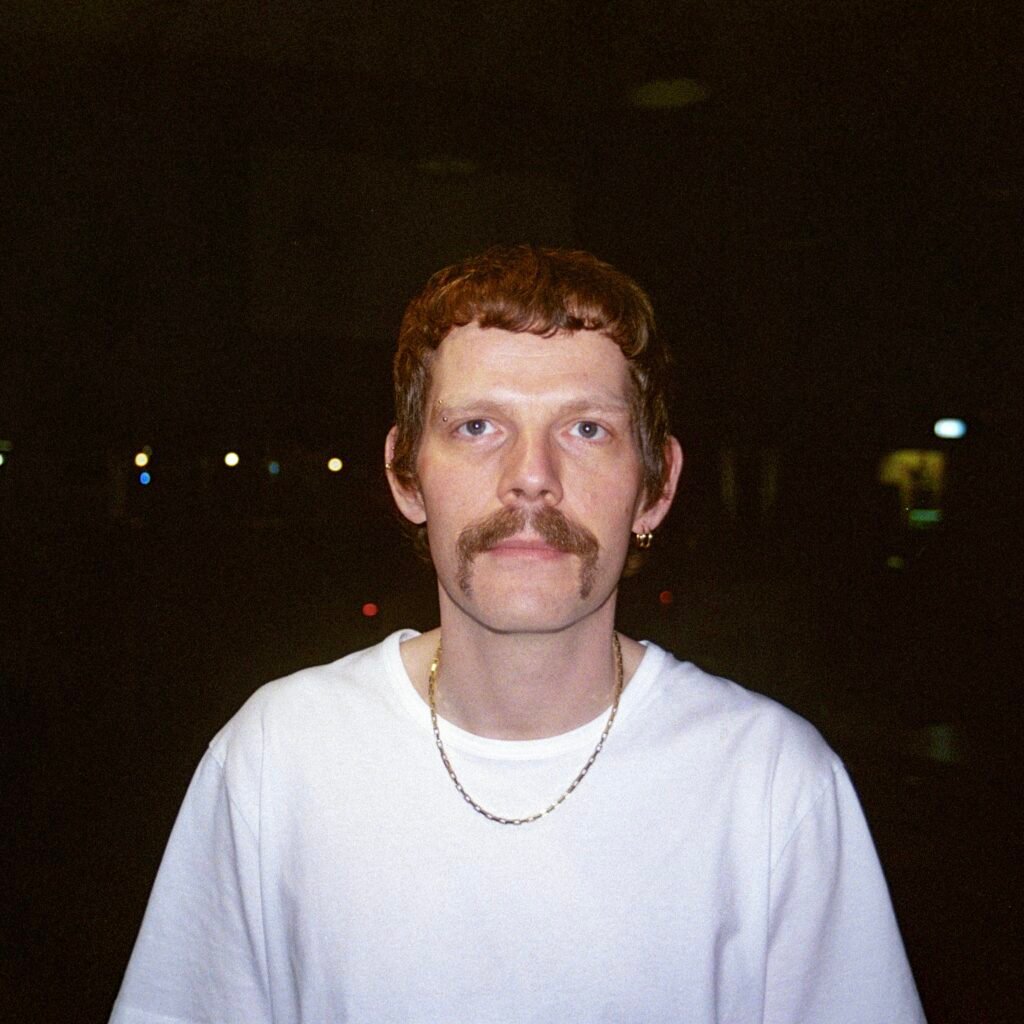
Prior to his first Croatian set of the year, we had a chat with Marsman – a name often found on Dekmantel, founder of Pinkman Records hailing from Rotterdam. In our interview, he discussed crossing boundaries in between genres, his views on local scene and inspirations.
Your sets and releases often blend raw, gritty EBM with ‘glossy’ Italo disco moments. Where, for you, does 80s nostalgia end and what you call a ‘futuristic sound’ begin?
Marsman: “Let me start by saying I don’t really care about genres. I like to play with moods in a DJ set, creating tension and relief.
To me, the music I play is all connected. The 80s is more of a reference point, because that is where it all started. The futuristic part begins when it stops feeling like a reproduction and shifts into something slightly unfamiliar.”
You’ve said that Pinkman relies on ‘not thinking too much’ and following your gut. In a world saturated with information and trends, how do you protect that filter? How do you know a track is ‘Pinkman material’ from the very first listen?
Marsman: “You have to actively ignore a lot. Not in a stubborn way, but by not over-consuming. I don’t follow trends closely, I don’t check what is working. I just listen.
“Pinkman material” is hard to define, but I recognize it immediately. I am not interested in safe releases. It has to bring something I haven’t released before. I also push artists to step outside of what they are known for. If it sounds too comfortable, it is probably not it.”
Pinkman’s merchandise and visual aesthetic have become almost as vital as the music itself. How important is it for an underground label today to build a ‘brand’ that people want to wear, not just listen to?
Marsman: “Coming from a graphic design background, I understand the importance of a strong visual identity. In a record store, the album cover is the first thing people see. The same goes for event artwork, it already tells you something about what to expect.
For me, it is about creating a world people can step into. If that is done right, it can naturally extend beyond the music into something people want to feel part of. At the same time, it always starts on a personal level. I have to genuinely like the artwork myself. Otherwise, it does not make sense to put it out.”
You often emphasize that everything you do, you do for Rotterdam. What is it about this city’s DNA—compared to Amsterdam or Berlin—that drives that specific, raw DIY approach?
Marsman: “Rotterdam doesn’t have the same long cultural tradition as cities like Amsterdam or Berlin. People tend to focus on those places. Rotterdam is direct, less romantic, more functional. It is a working class city, and you feel that in how people approach things. Very straightforward, which I like.
That creates a certain freedom. You don’t feel the need to fit into something that already exists. People just build things themselves, often in a very DIY way. That rawness still defines a lot of what I do, and I believe it is the source of the real energy.”
How has your perspective on the local scene changed through your work with Operator Radio? Do you see new kids coming up with the same ‘hunger’ you had when you moved there in 2011?
Marsman: “Definitely. You see a much wider spectrum of people, not just the ones already visible in clubs. There is still a lot of energy and curiosity, maybe even more than before.
The hunger is there, but it has changed. When I started, everything felt distant and harder to access, which forced you to go deeper. Now everything is immediate. That has its advantages, but it also makes it easier to jump from one thing to the next without really committing. So the challenge now is not access, it is focus. Staying with something long enough to actually develop it.”

For those who might not be familiar with it, could you describe your radio show Italorator?
Marsman: “When I started Italorator two and a half years ago, I felt the need to show that I am more than just the Pinkman label people associate me with. I have always had a strong love for disco, Italo, Hi-NRG and that whole spectrum. It is also where I started as a DJ, which not many people know.
Italorator became a way to express that side more openly. It is still connected to what I do with Pinkman, but it allows me to go more melodic and emotional, and explore a different side of my taste. What started as a radio show has now evolved into a successful party series in Rotterdam.”
You’ve mentioned that the scene should become more regional instead of having DJs constantly flying around the world. What does that look like in practice—can we have a globally relevant label that operates almost exclusively on a local level?
Marsman: “I am not sure when I said that exactly, but I was referring to the nightlife situation in Rotterdam at the time. It felt like clubs relied heavily on DJs from outside the city, while so much local talent wasn’t getting the same space.
I have nothing against bringing in DJs from elsewhere, I am a touring DJ myself. But it needs to be in balance. If the local scene is not strong, you end up importing everything instead of building something of your own. That has started to shift over the past couple of years in Rotterdam. Venues like Time Is The New Space and Roodkapje, which are my favorite places in the city, have been focusing more on local artists, and you can really feel the difference. It makes the scene more grounded, and at the same time more interesting from the outside.”
You left a steady job in 2015 to commit fully to music. What was the toughest lesson you learned during that transition from ‘security’ to the total uncertainty of running a label and a shop?
Marsman: “The toughest lesson was that structure only exists if you create it yourself. When you leave a steady job, you think freedom is the goal. But too much freedom can also work against you.
You have to build your own rhythm and discipline, and accept that there is no safety net. It took time to become comfortable with unpredictability and turn it into something productive.”
You ran a physical record store in the digital age. Now that communication has mostly moved online, what do you miss most about that micro-world of direct contact with customers over the counter?
Marsman: “I miss the direct contact the most. People walking in, having conversations, recommending records to each other. It was very immediate. You could see how someone reacted to a record right there. What they picked up and what they ignored. That kind of feedback is hard to get online. It felt more real.”
Which artist outside of music inspires your work the most?
Marsman: “Honestly, my real inspiration comes when I walk my dog early in the morning. He is an artist in his own way.”
The tickets for the upcoming event are available via Entrio.hr platform.