
Scene
The exhibition Zemlja zabrane (The Land of Prohibition), opening April 8 at the Cultural Information Centre (KIC) in Zagreb, brings together historical and contemporary works to examine how censorship continues to shape artistic expression.
At its core is the legacy of the Zemlja (Earth) artists’ association, active between 1929 and 1935. Known for their socially engaged depictions of poverty and inequality, the group clashed with authorities, culminating in a police ban of their final exhibition. That moment—symbolized by artist Krsto Hegedušić locking the doors of the Art Pavilion—anchors the exhibition’s narrative.
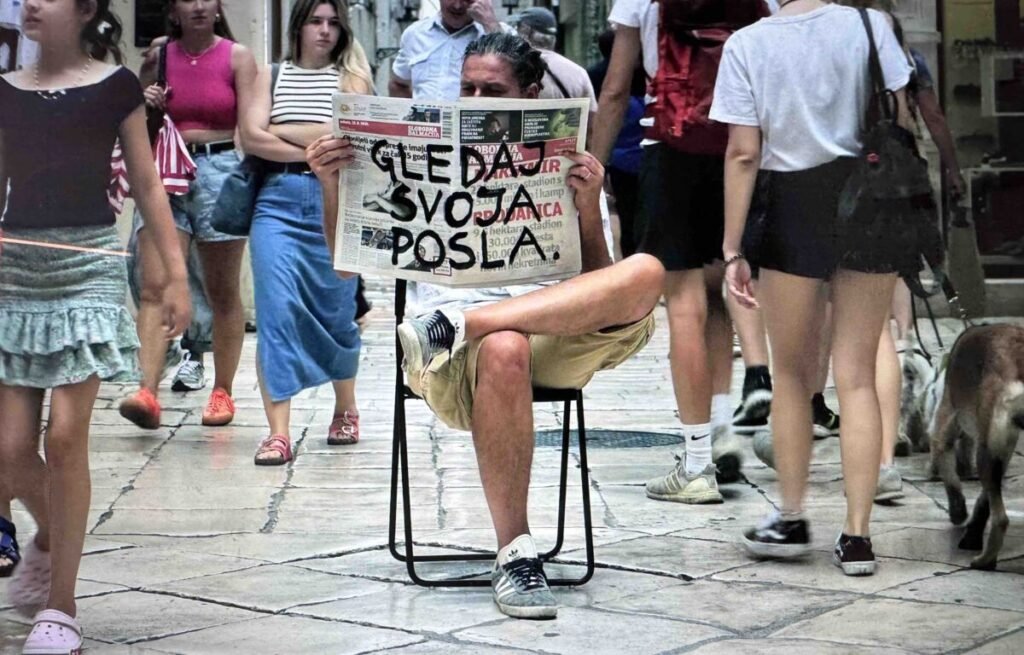
Curated by Davorka Perić, the show places these historical works in dialogue with contemporary artists who explore similar tensions today. While overt political censorship may be less visible, the exhibition suggests it has not disappeared—only shifted into subtler forms such as institutional pressure, market forces, and self-censorship.
Spread across Gallery Forum and the KIC Gallery, Zemlja zabrane also includes a public program of film screenings, talks, and performances, extending its focus beyond visual art. Together, these elements create a timely reflection on the limits of artistic freedom—then and now.