
Scene
With the rapid development of technology and artificial intelligence (AI), the past year has seen a significant number of new apps and models emerge that have reshaped the creative industries, particularly in the visual arts and music sectors. From now on, everyone can easily create a design logo, posters, and banners, as well as edit photographs and videos, in just a few minutes with good input to the AI software. As per the music industry, the algorithms can create and compose songs in the same amount of time, curate playlists, and import them to various streaming services.
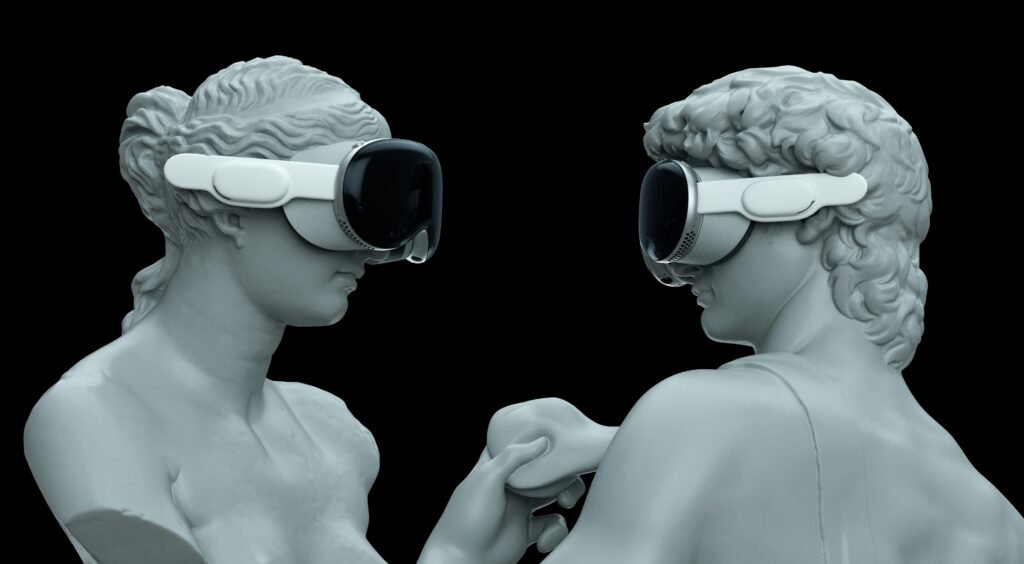
While some say the technological advances are helpful and make the process much shorter and less complicated, others argue that there is plagiarism and that AI art, in whichever form, shouldn’t replace human work. To sum up, we gathered all the most significant changes and innovations brought by the last year.
Increase of AI – generated content on all platforms
Many music streaming services have reported an increase in the number of AI-generated songs on their platforms. For example, by the end of the past year, Deezer had published that 28% of songs are AI-generated, marking a significant growth in just one year. Moreover, in addition to the various problems Spotify faced last year, one particular situation garnered special attention last summer. Listeners browsing the discographies of late musicians Blaze Foley and Guy Clark were recently met with something unexpected: new tracks – ones that neither artist ever recorded. They were AI-generated fakes, uploaded without approval and disguised as authentic works by two beloved American songwriters, both long deceased.
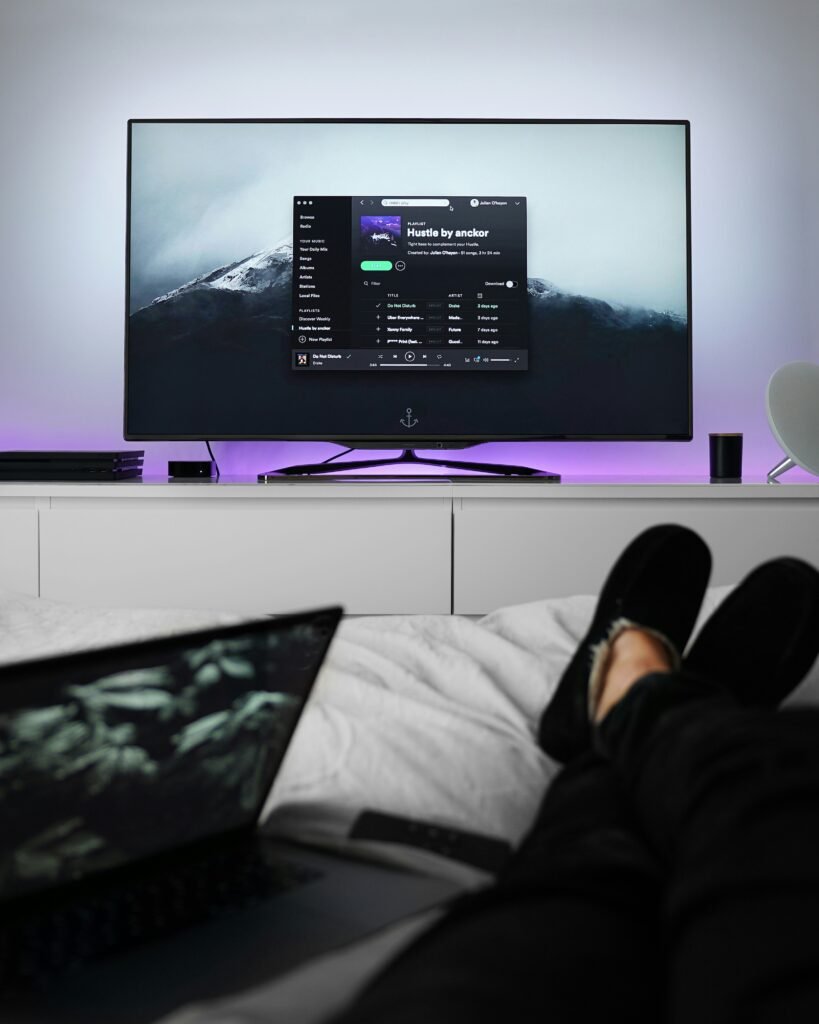
Speaking of the record labels, some started deliberately signing newly formed producers who only create their music using AI tools. The first label that ‘broke the ice’ was Hallwood Media, with controversial new artists member Neil Jacobson, known as imOliver – a self-described “music designer” who creates songs using platforms like Suno. Jacobson was the first creator who was completely upfront with using AI in his music creation.
Artists protests & legal actions
Opposite to the massive creation of new music and arts, its original, human creators are strongly arguing about plagiarism and authors’ rights. The whole movement started in November 2024 with an online petition called Statement on AI training, in which musicians and professionals from the creative industries called for clear regulations and guidelines to protect their rights in the face of AI advancement. The petition had more than 35.000 signatures. The spring last year brought another creative protest in the UK, when over 1000 British musicians united to release a silent album titled Is This What We Want? as a response to the government’s recently proposed changes to copyright laws, which could allow artificial intelligence (AI) companies to use copyrighted works without direct permission from the creators.
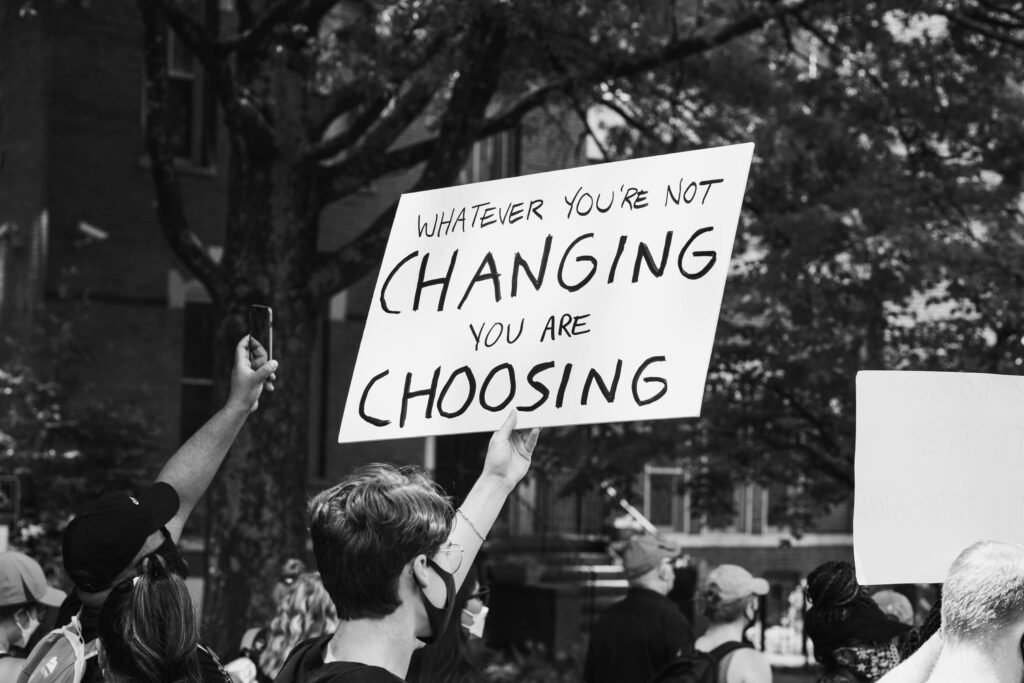
In efforts to face the legal challenges AI-derived content brings along, the global companies, platforms, and streaming services have teamed up and created a new set of rules and legal frameworks for artificial intelligence. In response to mounting criticism over its AI policies, SoundCloud has revised its Terms of Use to better protect artists’ rights and clarify its stance on artificial intelligence. The fall season of last year marked a union of Spotify and music industry giants, Sony Music Group, Universal Music Group, and Warner Music Group — together with independent-rights organisations such as Merlin Network and Believe — to develop generative AI features under a set of “artist-first” principles.
We could go on and give more examples of new AI software for creating playlists, seamless mixing, music inspection, visual art creation and others, but the truth is that the number of such is exponentially increasing, creating some sort of innovation almost every day. It is obvious that we are not going back to old ways, and we will try our best to keep up and inform you about the innovations that impact the creative industries.