InterviewsScene
Cover photo: Juan Pablo Soler
“Every crowd writes its own story,” told us Hernán Cattáneo ahead of his first-ever performance in Zagreb.
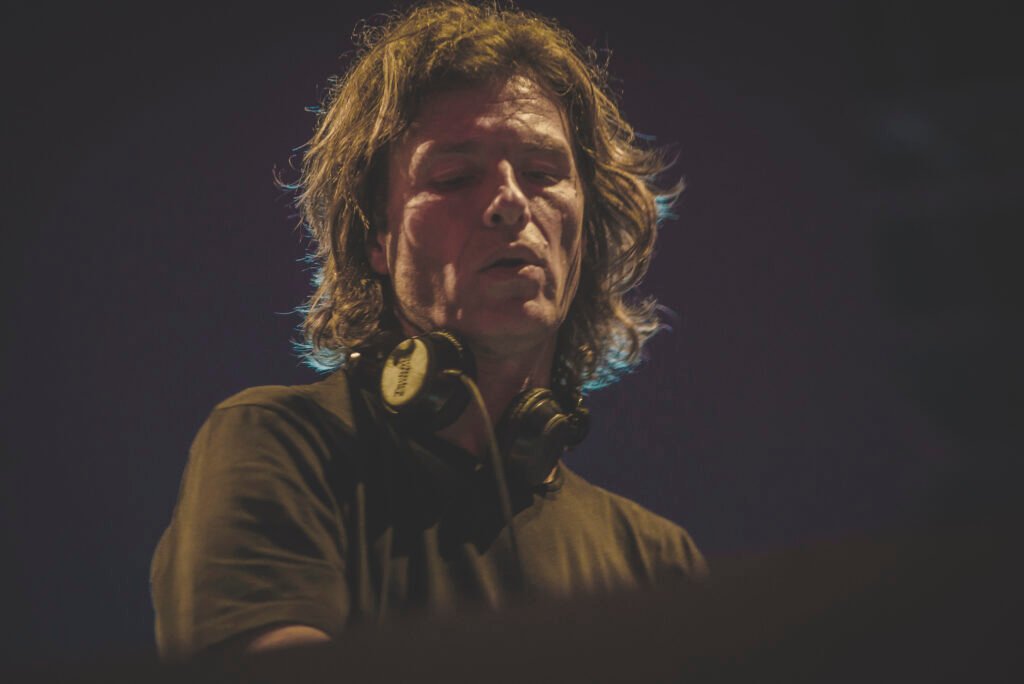
The Argentinian DJ and producer, widely known as The Maestro, has long been considered one of the most influential names in the progressive house scene. A recipient of numerous accolades, including the Best Progressive DJ award at the Ibiza DJ Awards and the prestigious Konex Platinum Award, Cattáneo has built a career defined by marathon sets and an emotional approach to music that became his trademark.
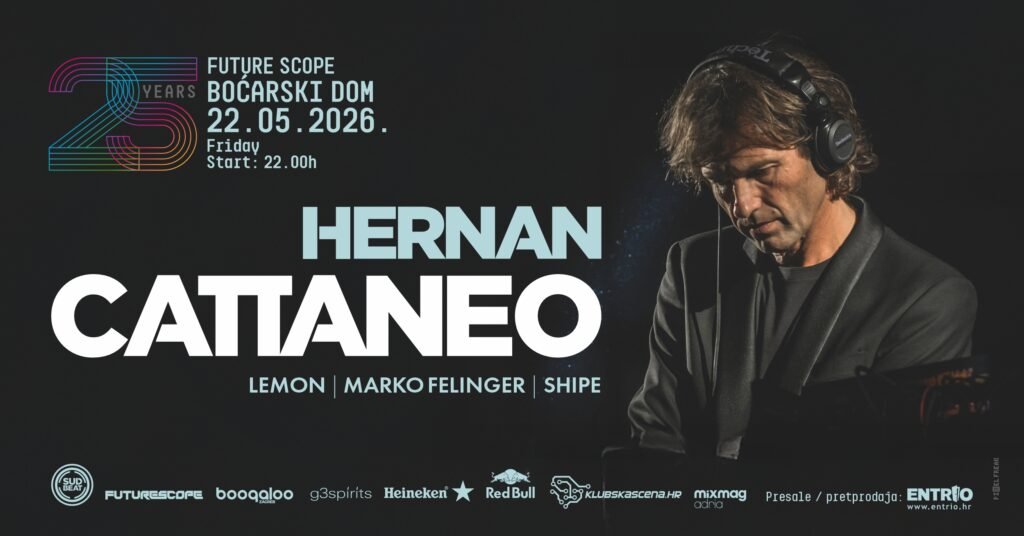
Although Cattáneo has performed in Croatia several times throughout the years, mostly along the coast, this Friday will mark his first-ever show in Zagreb as part of Future Scope’s 25th anniversary celebration. Over the years, the collective has become one of the key names behind Croatia’s electronic music scene, hosting some of the biggest global artists in techno and house.
In our conversation, Cattáneo spoke about his expectations for his Zagreb debut, why he still believes in emotion and storytelling within progressive music, and how he views the new generation of DJs and producers.
This will be your first time performing in Zagreb. Our local audience is really excited for your set, and people from neighboring countries are also expected to join the 25th anniversary celebration of Future Scope. Do you have any expectations, and what can people on the dance floor expect from the night?
Yes, somehow it will be my first time playing in Zagreb, which is a little bit crazy after so many years touring around the world. I’m very happy to finally experience it. And also being part of the 25-year celebration of Future Scope makes it even more special, because in electronic music lasting 25 years is not easy anywhere.
I never like to have too many expectations because every night is different and every crowd writes its own story. But I expect a very emotional atmosphere. I can feel when people really love the music and connect deeply with it, and everybody tells me Croatia has that energy.
People can expect what I always try to do: a musical journey, no shortcuts, no tricks… just trying to create something honest and emotional together with the dance floor.
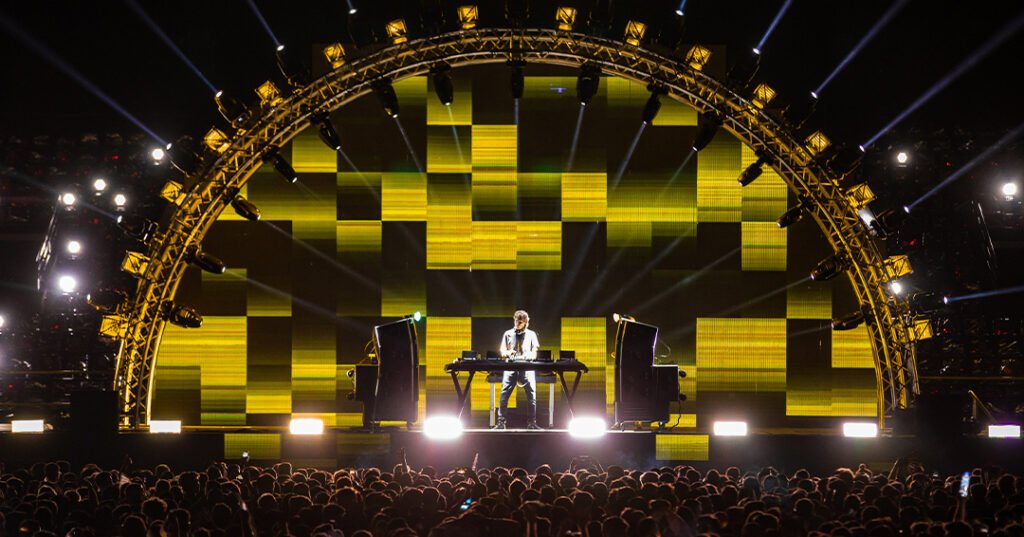
After all these years and experiences, how does it still feel walking onto the stage? You’ve performed in front of audiences all around the world. Do you still feel that same spark and excitement before a set, or are there moments when it feels more like work?
The feeling is still there for sure. Maybe after so many years, you learn how to control the nerves a little bit more, but the excitement never disappears. Every crowd is different, every room is different, every night is different.
For me, DJing never became only a job. Of course, touring can be tiring sometimes, but when I go on stage and connect with the people, that feeling is still very special. If one day I stop feeling emotion before playing, then probably something is wrong.
Music still gives me goosebumps after all these years, and discovering new music still excites me like when I was younger.
You’re especially known and appreciated for your marathon sets, which have become one of your trademarks. I assume you genuinely enjoy playing for that long. What makes those extended journeys so special for you? And what was the biggest challenge during your famous 14- and 24-hour sets?
Yes, I really love long sets because they allow you to tell a much deeper story. In short sets sometimes you only show some moments, but in marathon sets you can really build emotions slowly and take people on a journey.
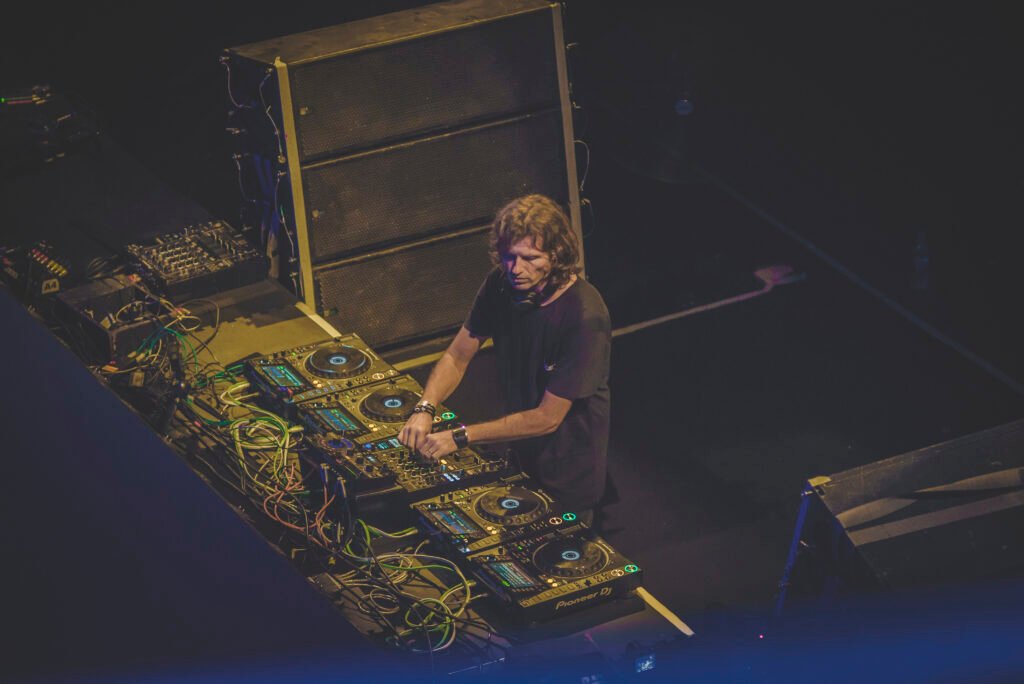
For me that’s the beautiful part. Everybody enters the same tunnel together, including me. You have time to create tension, emotional moments, darker moments, release… it becomes something much more immersive.
The biggest challenge in very long sets is probably mental focus. Physically also of course, but mentally you need to stay creative and connected for many hours without losing the direction of the story. You cannot play at the same intensity for 14 or 24 hours. You need patience and dynamics.
Do you personally prefer more intimate gatherings and club environments, or big festival stages? And does the atmosphere affect the way you build and perform your sets?
Honestly I enjoy both for different reasons. Small clubs with good sound can create a very deep connection because people are completely inside the music. But big festivals also have a unique energy when thousands of people share the same emotion together.
Of course the atmosphere changes the way you build the set. In clubs I usually go deeper and more subtle, especially if I have more hours. Festivals sometimes need more direct energy because the set is shorter and the environment is different.
But in both situations I always try to keep my identity and tell a story instead of only playing tracks one after another.
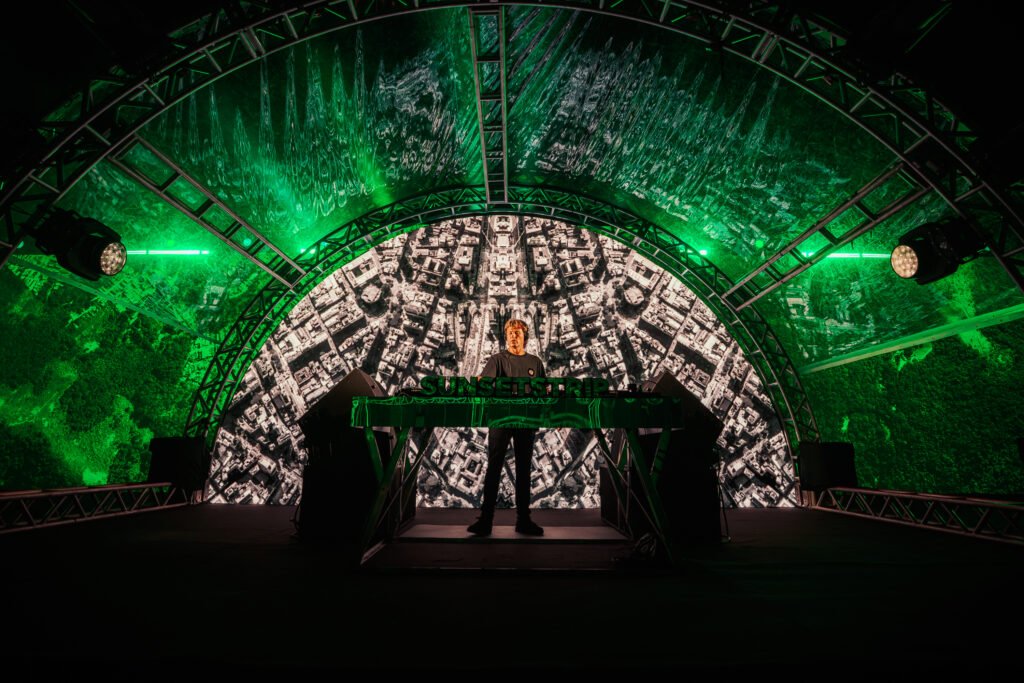
How does your music selection process look today? Where do you find the most inspiration when searching for new music?
I still spend many hours every week searching for music. Probably more than people imagine. For me discovering music is still one of the best parts of being a DJ.
Inspiration can come from anywhere… promos, demos, old records, unknown producers, conversations with other DJs. Sometimes one small idea inside a track can inspire a whole direction for a set.
Today the difficult part is filtering because there is too much music. Technology made production easier, which is great, but sometimes many tracks sound technically perfect but emotionally empty. What I always look for is emotion and personality. When a track feels honest and unique, you feel it immediately.
You’ve been actively working on supporting and spreading the progressive scene through your radio show and label, and you even wrote a book about your journey. What has been the main motivation behind that? And what are your hopes or expectations for the new generation of DJs and producers?
Everything I did with my radio show Resident, with Sudbeat Music, or writing El Sueño del DJ was never about building a brand. It was more about giving something back to the scene that changed my life completely.
Electronic music gave me everything, so I always felt some responsibility to support artists and help this culture continue growing in a good way.
For the new generation, I hope they focus more on identity than trends or social media pressure. Today, it’s very easy to become obsessed with followers and algorithms, but long careers are built with personality, patience, and a real connection with people.
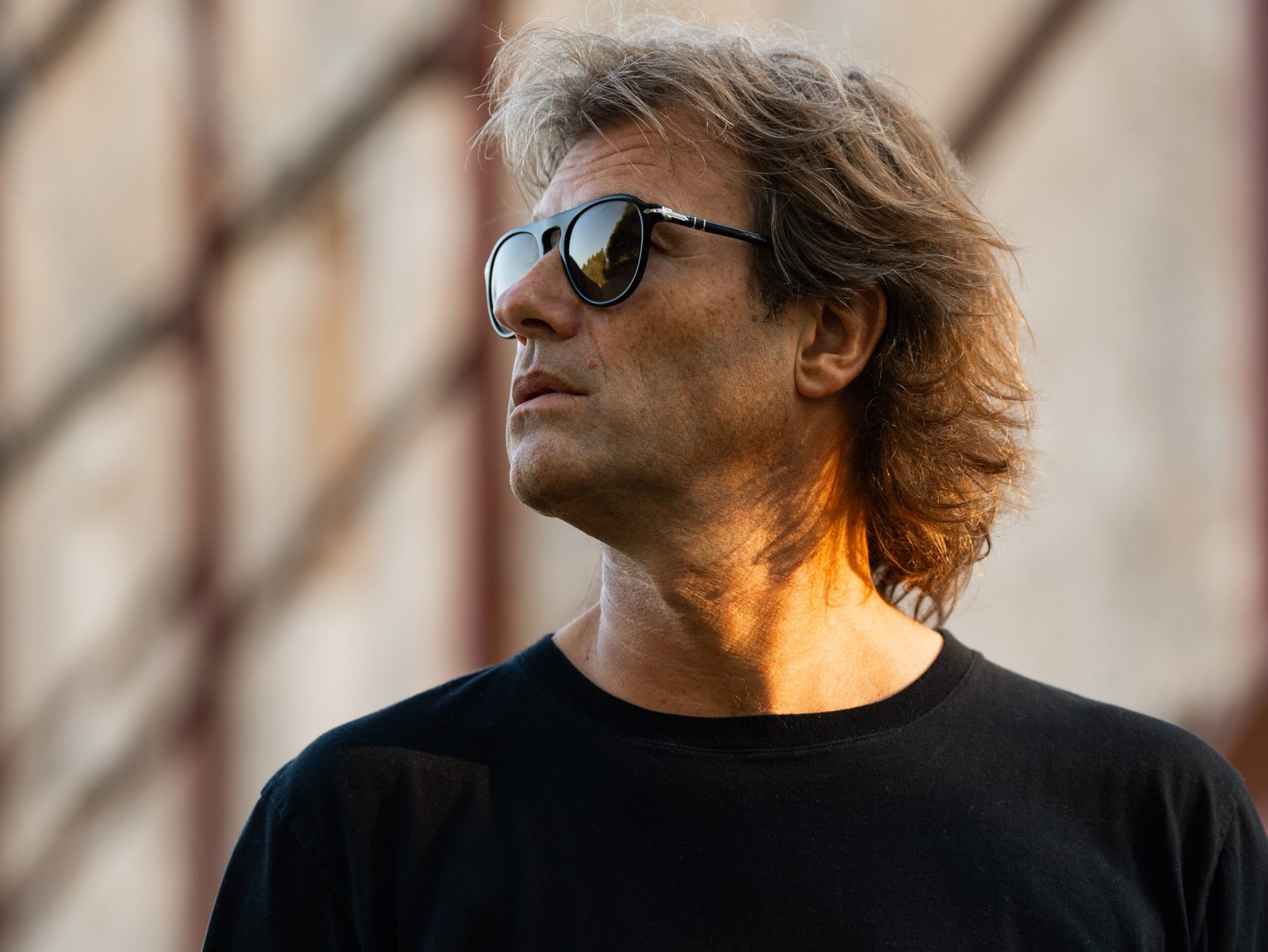
As someone coming from Latin America, more specifically Argentina, do you notice differences between audiences there and in Europe? If yes, what stands out the most to you?
Yes, definitely there are differences. Latin American crowds, especially in Argentina, are usually very passionate and emotional. Sometimes it feels almost like football energy. People sing melodies, react a lot and really surrender emotionally to the music.
European crowds can be more reserved sometimes, especially at the beginning, but they also listen very deeply and carefully, which I really enjoy too.
Every country has its own energy and culture around nightlife, and for me, part of the beauty of DJing is adapting to those energies while still keeping your own identity.
You’ve been to Croatia many times now. Are you familiar with the Croatian electronic music scene, and are there any local DJs or producers that particularly stood out to you?
I’ve been to Croatia many times over the years, mostly in summer, and I always loved the atmosphere there. The combination of the coast, nature, and music creates something very special.
Petar Dundov is amazing, both a DJ and a producer, but also a super nice guy.
If you do get the chance, how often do you actually go to parties or festivals purely as a guest, without performing?
Not so often anymore, honestly. Touring so much means that when I’m not playing, many times I just want quiet time, family time, or rest.
But I still love music as a fan too. Sometimes I stay after festivals to hear another artist or go listen to friends playing if I’m in the same city. I think it’s important for DJs to never lose that connection as music lovers first.
What would you say is the best and the hardest part of being a global touring DJ?
The best part is definitely the human connection. Music allowed me to travel the world, discover cultures, and meet incredible people everywhere. It still amazes me how music without words can connect people emotionally in such a strong way.
The hardest part is balance. Constant travel can be exhausting physically and mentally, and being away from family and normal life for so long is never easy. People usually see the glamorous side, but touring also needs discipline and sacrifice.
Progressive house has survived many trends and changes in electronic music culture. Why do you think people still emotionally connect so deeply with this sound after all these years?
I think progressive house survived because, in the end, it’s about emotion and storytelling more than trends. Good progressive music creates journeys. It’s not only about drops or instant impact, it’s about atmosphere, tension, patience and emotional release.
Technology changes, trends change, social media changes everything very fast… but emotions are still the same. When music creates a real emotional experience, people remember it forever. And I think progressive house, when it’s done well, has that timeless feeling.
Joining Hernán Cattáneo at Future Scope’s 25th anniversary celebration this Friday will be several respected names from the local progressive scene, including Lemon, Marko Felinger and Shipe, who is also one of the organizers behind the event.
Tickets are still available via Entrio.