
Vinyl is no longer simply a nostalgic format for collectors. In 2025, it became a billion-dollar business in the US for the first time since the early 1980s, extending a revival that has now lasted nearly two decades. According to the Recording Industry Association of America (RIAA), US vinyl revenue reached $1.04 billion in 2025, an increase of 9.3% year on year. It was the 19th consecutive year of growth for the format, with vinyl accounting for almost half of the global value of vinyl sales.
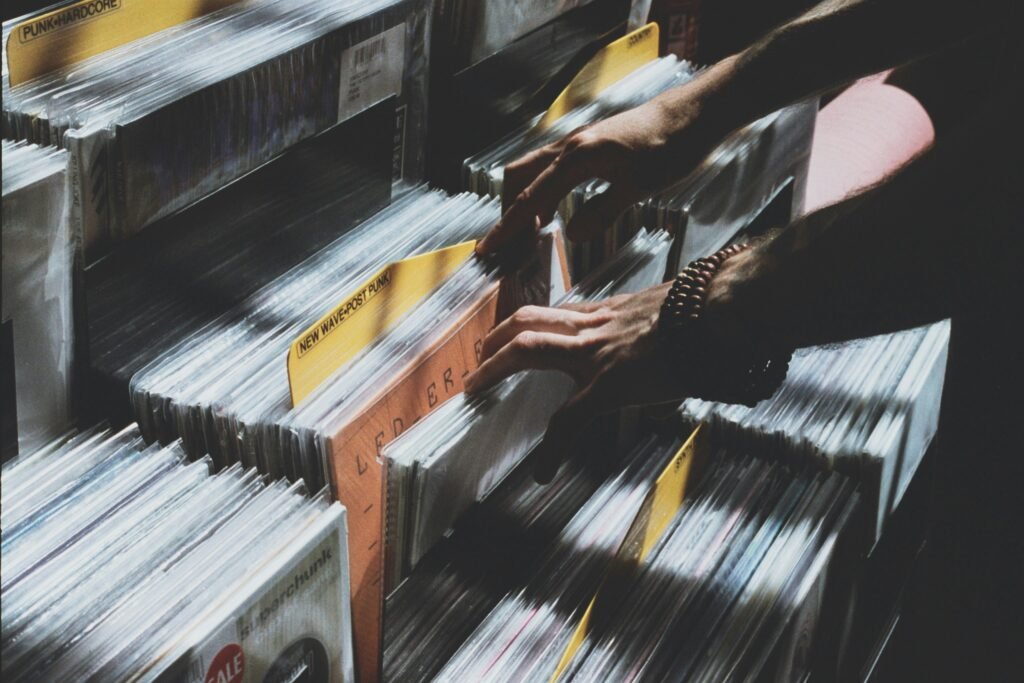
The numbers are particularly striking when viewed against the industry’s digital dominance. Streaming generated approximately $9.5 billion in US revenue during 2025, while paid subscriptions alone accounted for $6.4 billion. Vinyl, therefore, remains a relatively small part of the overall music economy — but its continued growth points to something that streaming cannot completely replace: ownership, collectability and the physical experience of music.
The resurgence is not limited to the US. According to IFPI’s Global Music Report 2026, physical music revenues increased by 8% globally in 2025, with vinyl revenue rising 13.7% and marking its 19th consecutive year of growth.
From obsolete format to cultural object
Vinyl’s comeback has gradually changed what buying an album means. During the peak of the CD era, physical music was primarily a delivery format. Today, vinyl often functions more like merchandise, artwork and memorabilia combined. Limited pressings, coloured records, alternate sleeves, deluxe packaging and exclusive editions have turned albums into collectible objects. Major artists have embraced this model aggressively, often releasing multiple versions of the same record.
Taylor Swift provides perhaps the clearest example. Her 2025 album The Life of a Showgirl became the year’s biggest-selling vinyl release in the US, moving around 1.6 million vinyl copies. The album was released in eight vinyl variants, with different artwork, colours and exclusive material.
Swift’s success is part of a broader trend rather than the entire explanation for vinyl’s growth. Sabrina Carpenter, Kendrick Lamar and Billie Eilish were also among the strongest-selling vinyl artists in the US, while classic albums such as Fleetwood Mac‘s Rumours and Michael Jackson‘s Thriller continued to demonstrate the format’s appeal beyond new releases. Some of the artists have paid attention to sustainability, as Billie Eillish dropped 100% recycled vinyl, while Coldplay released records made of plastic bottles in 2024.
Physical music is finding a new audience
One of the more interesting aspects of the vinyl revival is that it isn’t simply about older listeners returning to a format they grew up with. Vinyl has become increasingly connected to younger music audiences – Gen Z, for whom owning a physical record can represent a different kind of relationship with an artist.
That distinction matters in an environment where music consumption has become increasingly frictionless. Its artwork can be displayed. The object can be collected, signed and exchanged. For fans, the purchase can become part of their relationship with an artist rather than simply another way of accessing an album. The industry’s sales strategies have adapted accordingly.

Vinyl and the economics of fandom
The commercial significance of vinyl also lies in the way artists and labels can create multiple purchasing opportunities around a single release. Rather than selling one standard physical product, campaigns can include several versions targeted at collectors and dedicated fans. This has helped transform physical releases into a broader part of the artist merchandise ecosystem. Vinyl can function simultaneously as a music format, a piece of design and a limited-edition product.
The result is a curious reversal. Streaming has become the dominant infrastructure for music consumption, while vinyl has increasingly become the premium physical expression of fandom.
The RIAA’s 2025 figures show an industry in which streaming continues to generate the overwhelming majority of revenue while physical formats continue to grow alongside it. In the first half of 2026, US recorded-music revenue reached $6 billion, up 6.9% year on year. Physical music revenue rose 25.9%, with vinyl sales increasing 17.7% to $544 million during the period.
That suggests the vinyl story is not simply a temporary nostalgia cycle. It has become part of a broader music economy in which listeners can stream an album hundreds of times and still want a physical copy sitting on a shelf.

