
Scene
A new series of audio workshops at DVA OSAM reflects a broader shift in how independent cultural spaces in Zagreb are positioning themselves—not only as venues for performance, but as sites of informal education. Workshops will begin in early May 2026, after the application process and participant selection are completed. The workshops are free for participants. Applications are open until Monday, April 27, and can be submitted via email to: klub@dvaosam.com.
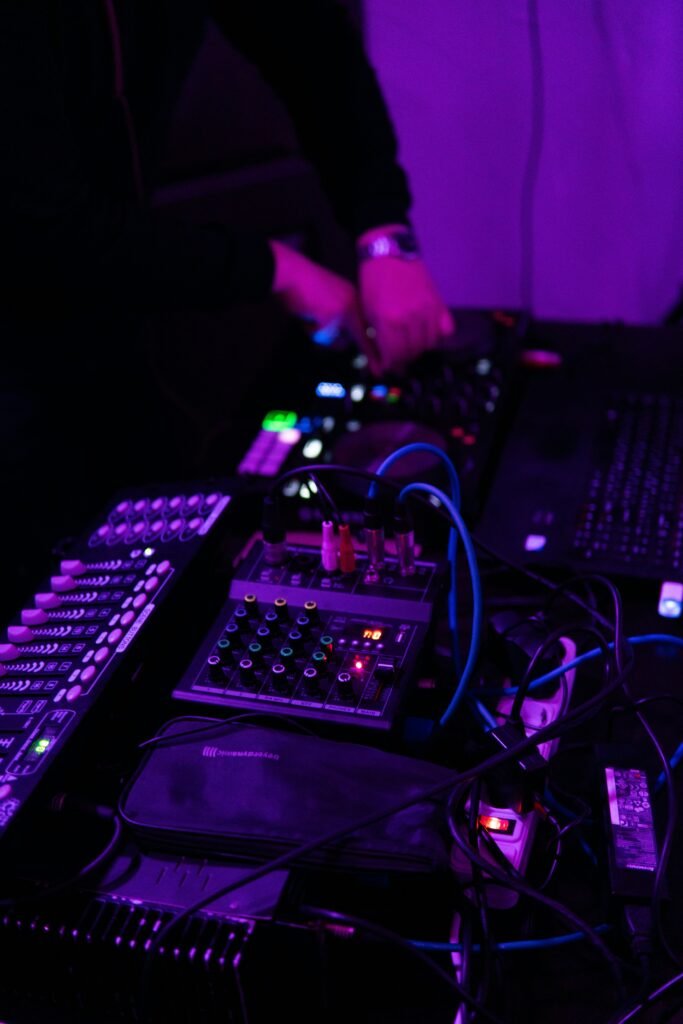
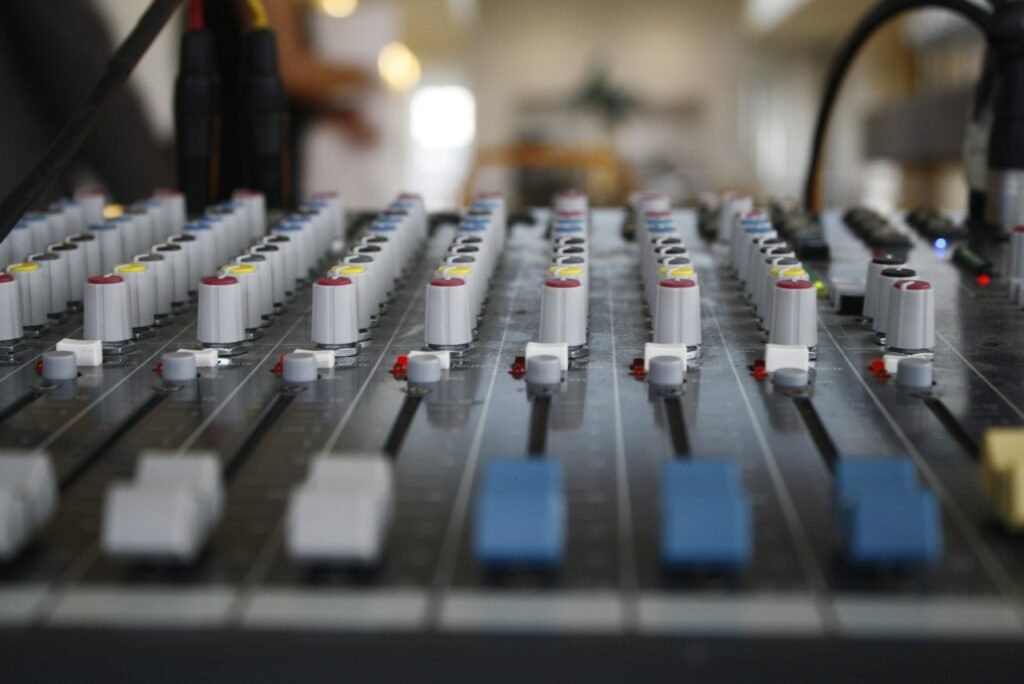
The program, announced for this year, focuses on audio engineering and live sound production. It is structured as a three-month course with weekly sessions, combining introductory theory with practical training on equipment used in club settings. According to the organizers, the curriculum covers core topics such as acoustics, signal flow, and mixing, before moving into more applied work with DJ setups and live band configurations.
Bridging a Skills Gap
The initiative comes at a time when demand for skilled technical staff in live music settings remains steady, while opportunities for structured, affordable training in Croatia are limited. By hosting workshops in-house, the club effectively uses its own infrastructure—sound systems, stage layout, and control equipment—as a teaching environment.
Participants are also given the option to observe or assist during live events. This element introduces them to working conditions that are difficult to replicate in a classroom, including time pressure, technical faults, and coordination with performers.
A Focus on Practice
Alongside the main course, a shorter workshop titled “Dubionica” concentrates on live dub mixing techniques. Led by Robert Martinović, known as Dr.Obi, the sessions focus on performance-based sound manipulation, a niche practice rooted in reggae and experimental electronic music traditions.
This addition signals an interest not only in technical proficiency but also in sound as a creative medium. However, its specialized focus means it is likely to appeal to a narrower group of participants.
Access and Selection
The workshops are free to attend, with limited places allocated through an application process. While this removes financial barriers, it also introduces selectivity, potentially shaping who gains access to technical knowledge and industry networks.
Small group sizes are intended to allow closer interaction with instructors, though they also limit the program’s reach within the wider community.
A Changing Role for Clubs
The emergence of initiatives like this points to a gradual redefinition of the role of clubs such as DVA OSAM. Faced with economic pressures and shifting cultural expectations, venues are increasingly experimenting with hybrid models that combine nightlife, education, and community programming.
Whether such efforts represent a sustainable direction or a temporary adaptation remains to be seen. What is clear is that the technical side of music production—often overlooked in public discourse—is gaining more visibility, as spaces like DVA OSAM open their operations to those interested in learning how sound is produced behind the scenes.

