
Scene
Croatia is on the verge of introducing big changes to how alcohol is sold, especially in the evenings. The government is preparing amendments to the Law on Trade and the Law on Crafts that would allow local authorities to ban the sale of alcohol from 20:00 (8 pm) to 06:00 (6 am) at retail outlets such as supermarkets, kiosks, and liquor stores. The rule would also apply to online delivery services, meaning platforms like Wolt or Glovo could no longer deliver beer, wine, or spirits during those hours.

A Shift Toward Local Decision-Making
Under current Croatian law, there are no nationwide time limits on alcohol sales for adults. But the draft changes would hand each city and municipality the choice to adopt the evening ban if they believe it suits their community. Local leaders would decide whether to impose it, and in some areas the measure could be tailored to specific zones (e.g., city centres).
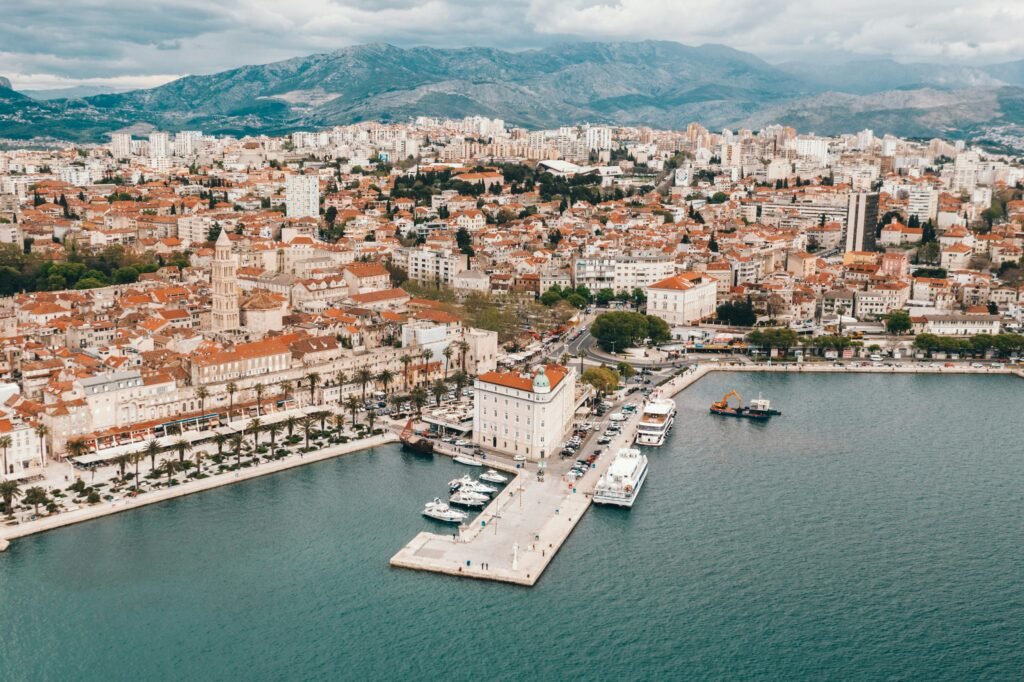
Several Croatian cities have reacted positively to the idea, such as Split – the city council has signalled that it will introduce a ban after the law is adopted, focusing in particular on parts of the historic centre. Officials believe the measure could reduce public drunkenness and rowdy behaviour, especially among tourists, and improve the quality of life for residents. Moreover, Zadar and Makarska have already announced they intend to use the new legal powers to prohibit alcohol sales after 20:00 in stores. Their local leaders say this would protect the character and order of popular urban zones.
Other cities like Rijeka, Zagreb, Osijek, and Pula have said they are waiting for the final law text before making any decisions; some are still evaluating whether the restrictions are necessary for their communities.
The cities that are clear that they will not consider the latest prohibition are Slavonski Brod, Čakovec, Bjelovar, Osijek and Šibenik.
Public Opinion: Mixed but Leans Toward Support
A recent HRejting poll conducted for HRT shows a slight majority of Croatian citizens support the ban. Over 55% of respondents agreed with restricting alcohol sales after 20:00, while around 40% opposed it, and roughly 5% were undecided. Many supporters cited a desire to reduce youth drinking and late-night public intoxication as a primary reason.
Opinions on tourism’s fate vary: some fear the measure could harm Croatia’s tourism industry; others believe it might improve public spaces and attract visitors looking for a more relaxed experience.
Before any city can enforce the ban, the national Parliament must pass the proposed law changes. Once that happens, local governments will have legal authority to adopt their own evening alcohol sale rules. Only then will we know which cities finally implement the ban and how strictly it will be enforced across Croatia.

