
Scene
Researchers at Newcastle University in the UK have reported encouraging results from a novel sound-based therapy that may offer real relief for people living with tinnitus — the persistent perception of noise like ringing, buzzing, or hissing when no external sound is present.
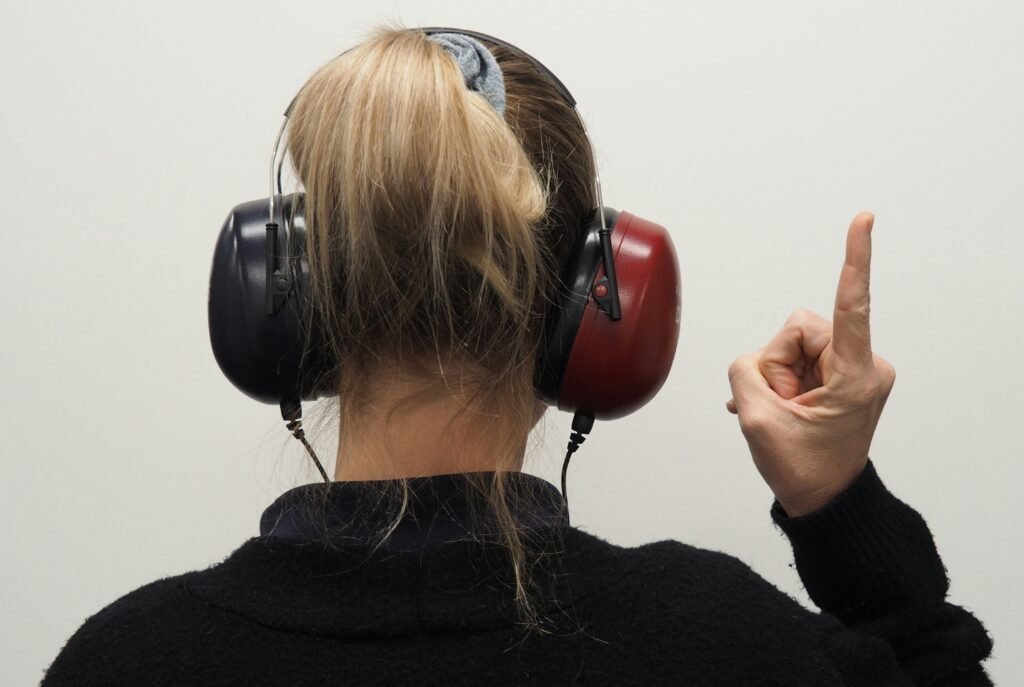
The therapy uses specially modified sounds that are designed to change patterns of brain activity in auditory processing regions. In the clinical study, participants listened to these modified sounds for about 1 hour per day over six weeks. The method is based on cross-frequency sound modulation — essentially altering the timing and frequency interactions within sound to disrupt the synchronized neural activity that is thought to contribute to tinnitus perception.
Researchers believe the therapy works by making the neurons that respond to sound frequencies fire in less synchronized ways, which may make the brain better at ignoring the tinnitus sound. Unlike many existing therapies that focus on helping people cope with tinnitus, this approach aims to reduce the tinnitus sound itself.

